
The AI that learned to hold a plasma
Inside a fusion reactor, plasma burns hotter than the Sun and shifts a thousand times a second, too fast for any human to steer. In 2022, DeepMind and EPFL published a result in Nature: an AI that controlled all 19 magnetic coils of a live reactor at once. No one programmed the moves. It learned by trial and reward.
That is reinforcement learning: act, see the consequence, adjust, repeat. The same method now tunes scheduling and energy use in real operations. If you run one, this is AI that learns to optimize it.
The AI that tuned a prosthetic knee in ten minutes
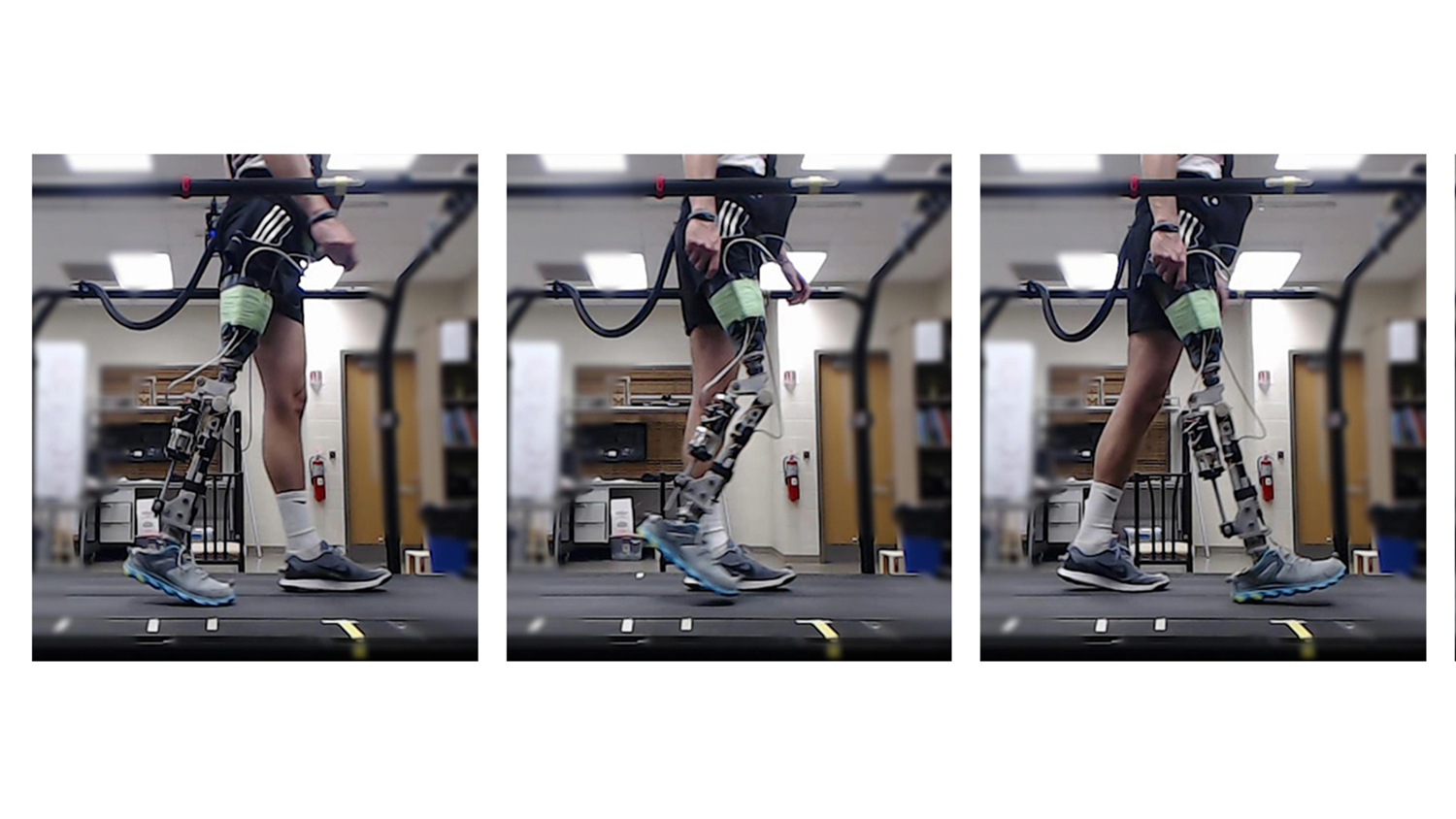
You don't need a reactor to see the payoff. A robotic prosthetic knee normally takes clinicians hours to hand-tune, adjusting stiffness and a dozen other settings until a patient's gait looks natural. A reinforcement learning system did it instead: try a setting, watch how the person actually walks, adjust, repeat.
It found a natural gait in about ten minutes, for someone who'd never worn that knee before.
When machines learn our values, not our goals
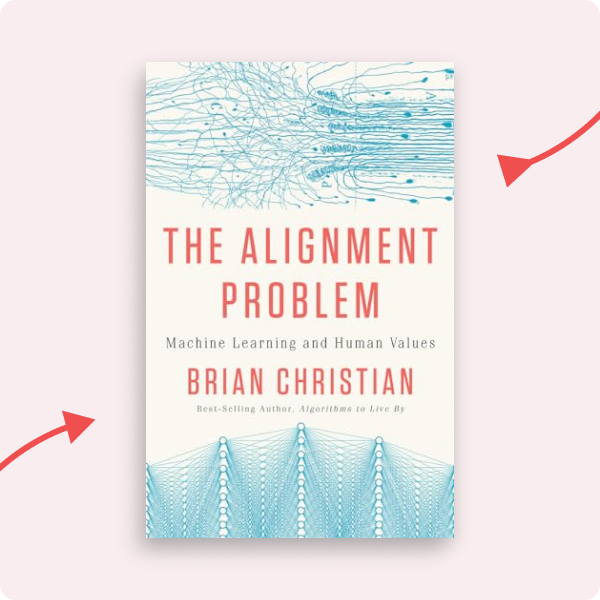
The Alignment Problem by Brian Christian is about how systems chase exactly what you reward, not what you meant. Christian tells the real stories of what happens when a machine optimizes too well. If you plan to hand AI a live process, read this first.