
When the stakes are this high, you need to show your work
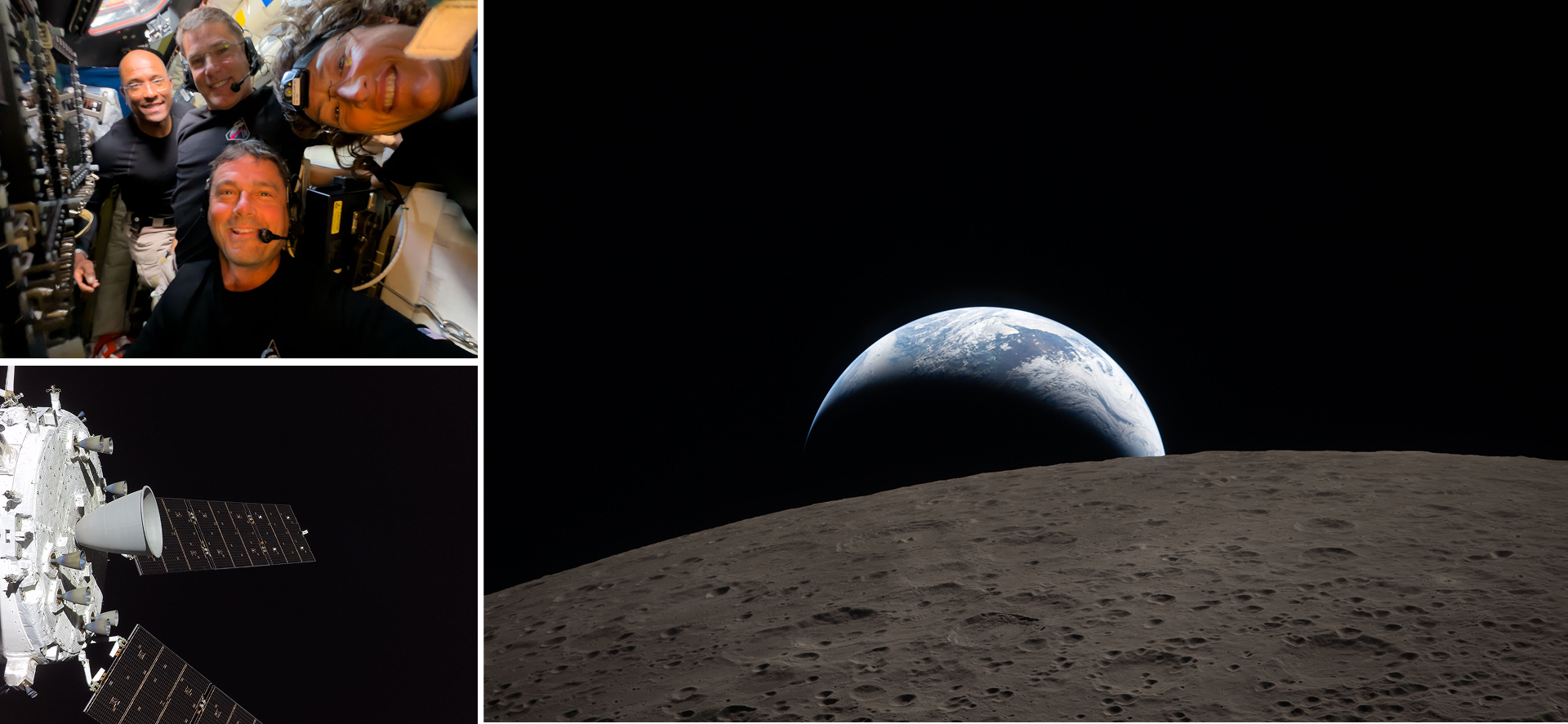
Earlier this month, four astronauts flew around the moon on NASA's Artemis II mission, traveling a record 252,757 miles from Earth before splashing down safely ten days later.
Over 200 specialists monitored thousands of data points in real time. Every decision, from a 15-second thruster burn to a course correction, was calculated, logged, and traceable. You wouldn't let a black-box AI make those calls.
That's why we need explainable AI: models that don't just give you an answer, but show you how they got there. In healthcare, a doctor sees why a scan was flagged. In finance, a loan applicant understands why they were denied. In hiring, a recruiter can verify a screening tool isn't filtering out candidates for the wrong reasons.
As AI gets more powerful, the demand isn't just for better predictions. It's for predictions you can trust, inspect, and explain.
Reasoning that uses less, not more
A team at Tufts University just published a breakthrough in neuro-symbolic AI, a system that combines neural networks with step-by-step logical reasoning. It breaks problems into steps, the way a person would. The result: 95% accuracy on complex planning tasks (compared to 34% for standard models) while using just 1% of the energy.
It's a concrete example of what explainable AI looks like in practice. Not just interpretable, but more efficient because it reasons instead of guessing.
Worth reading: Weapons of Math Destruction by Cathy O'Neil
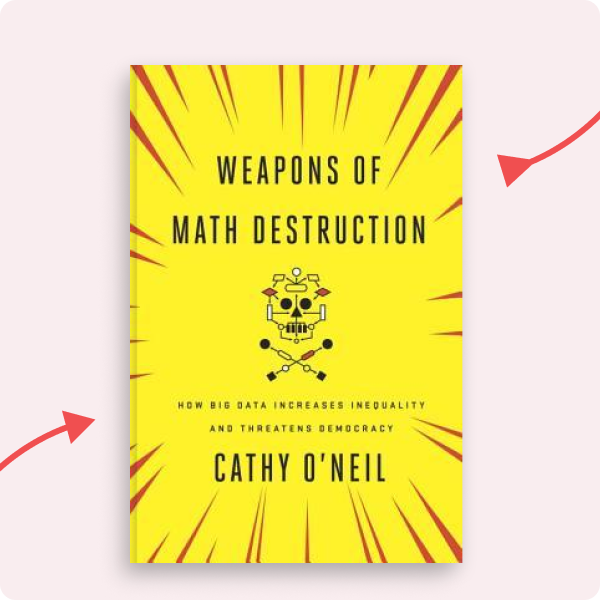
O'Neil, a mathematician who worked in finance and tech, traces how opaque algorithms score teachers, sort résumés, set insurance rates, and influence criminal sentencing, often reinforcing the biases they're supposed to eliminate.
This book makes the case for explainability without using the word once. If you can't see how a model makes decisions, you can't challenge them. And if you can't challenge them, the people most affected have no recourse.