
Reading what no one could open
In 79 AD, Mount Vesuvius buried a library in Herculaneum. The scrolls survived, but as lumps of carbonized ash. Touch one, and it crumbles. For almost 2,000 years, they were unreadable.
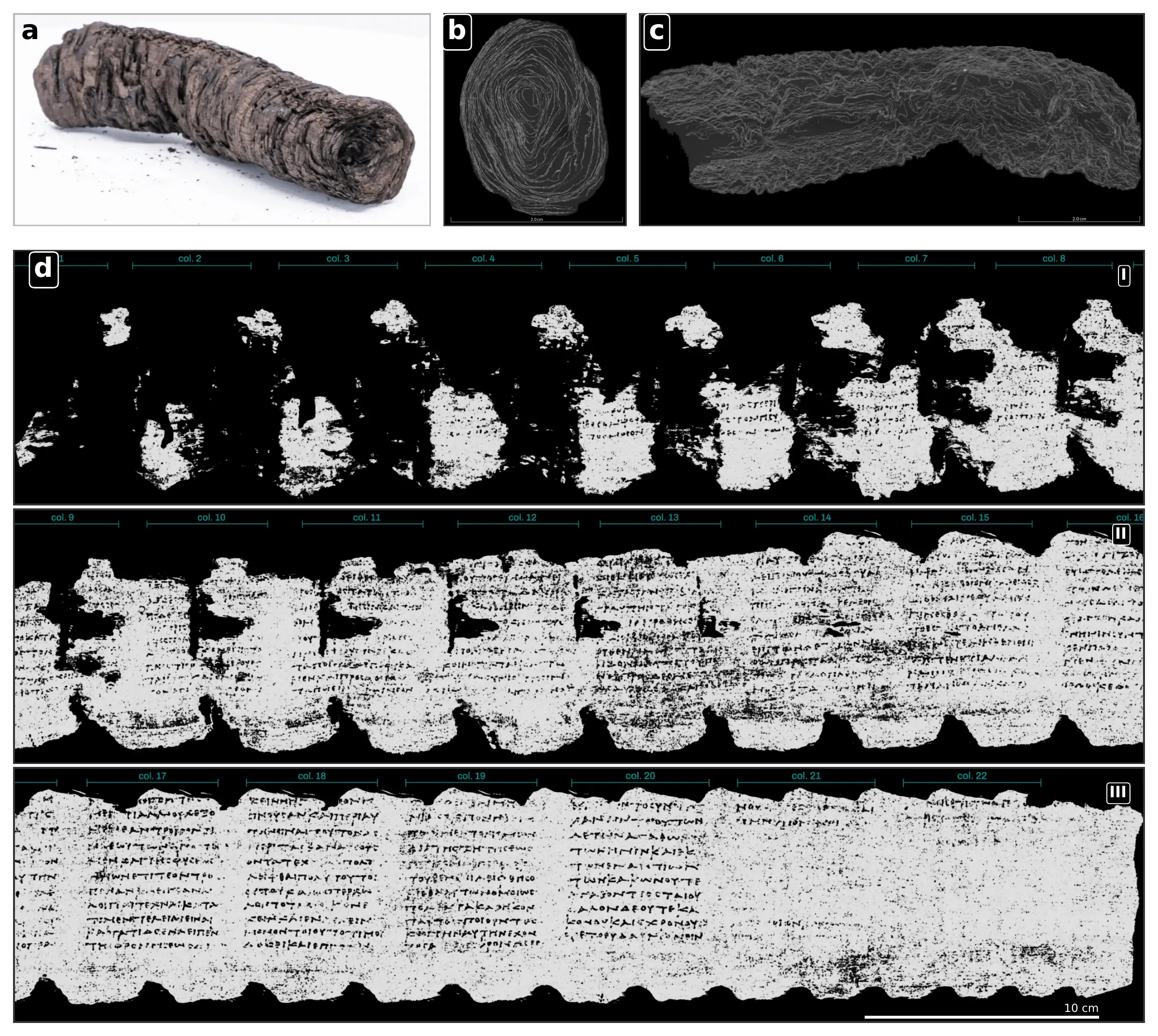
Then, researchers found a way to read them without opening them. They scan a scroll with high-resolution X-rays, then train a model to spot the faint traces of ink inside, patterns far too subtle for the human eye. The model learned what ink looks like, so it finds what we can’t see. Last month, for the first time, a team read an entire scroll end to end.
Your business has its own buried library. Roughly 80% of company data is unstructured: scanned contracts, invoices, claims, and forms that no system reads and no one has time to. Most of it goes unused. Pattern recognition is how you finally open it. Show a model enough examples, and it does the reading for you.
Watch it learn from examples
Google's Quick, Draw! gives you 20 seconds to sketch a cat or a hedgehog while a neural network calls out its guesses. It is right far more often than it should be, because it learned from over a billion doodles drawn before you.
Show a model enough examples, and it recognizes the next one. Same idea as the scroll, now in your hands.
Worth reading: The funniest book about machine learning
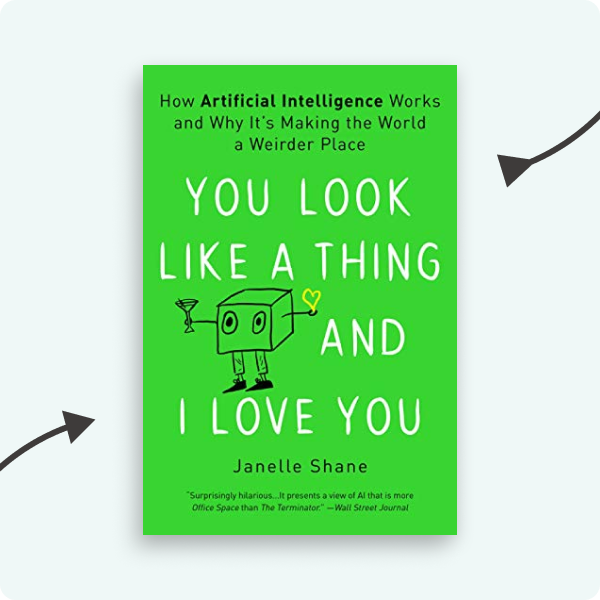
You Look Like a Thing and I Love You by Janelle Shane hands AI models strange jobs, naming paint colours, inventing recipes, and writing pickup lines, and shows what happens when they learn from messy examples.
This book makes one thing obvious: a model is only as good as the examples you give it. Same lesson, whether it is reading a scroll or guessing your doodle.