

Searching through every combination
Imagine trying to find the best cake recipe from 50 ingredients in different quantities. Testing every combination by hand would take lifetimes. So instead, you use patterns: what works together, what fails, rules that narrow the search.
That's combinatorial optimization: finding the best option from an enormous number of possibilities.
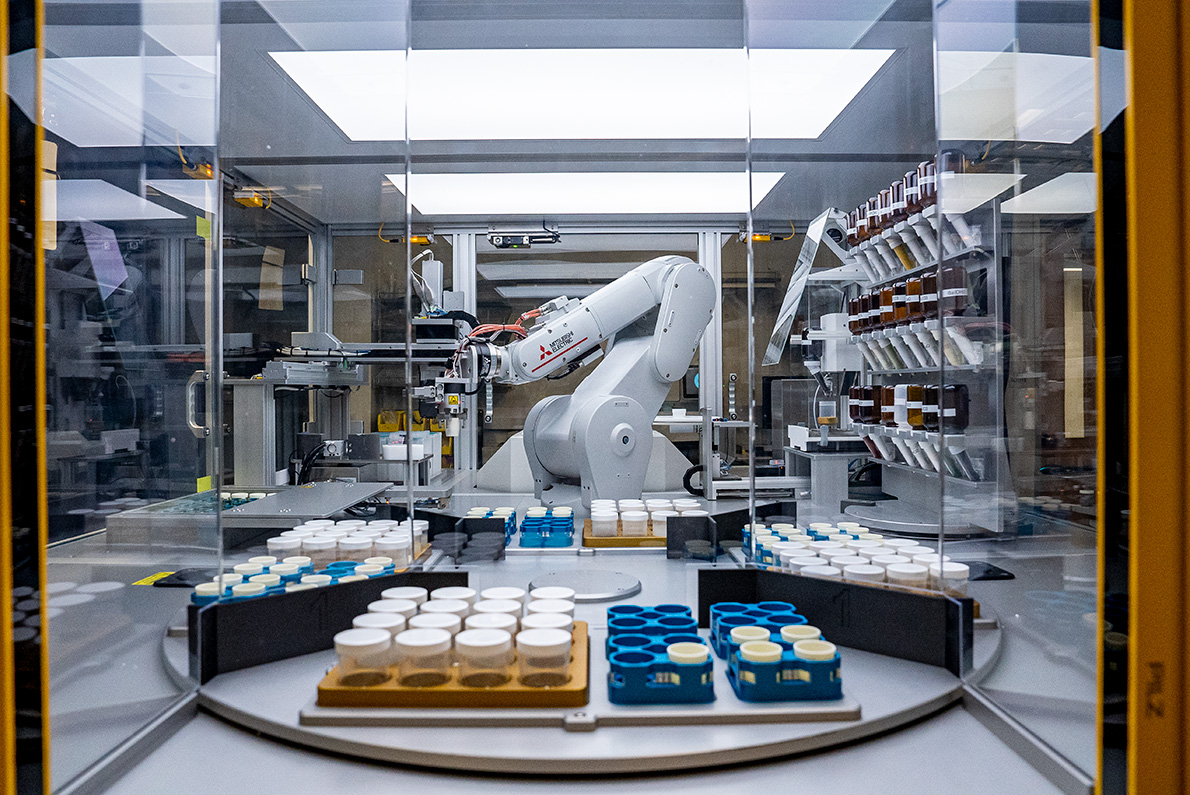
Google DeepMind's GNoME did exactly this for materials science, screening millions of combinations to predict 2.2 million stable crystal structures. The equivalent of 800 years of materials knowledge, generated computationally.
You can apply the same principle to route optimization, recommendation engines, supply chain planning, and much more.
From prediction to proof
This isn't just theoretical. External researchers have already verified more than 736 of GNoME's predicted materials in real laboratories. Among the discoveries: 52,000 potential new 2D materials similar to graphene and 25 times more lithium-ion conductors than previously known, which could reshape battery technology.
Worth reading: "Stuff Matters" by Mark Miodownik
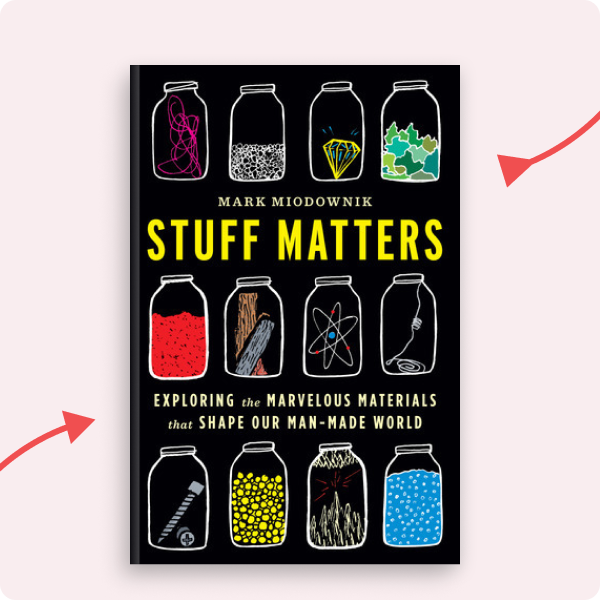
Miodownik picks apart the materials in everyday life: the steel in your razor, the glass in your window, the concrete under your feet. He explains the science behind each one.
I like it because it makes you see ordinary things differently. And after reading about AI discovering millions of new materials, it's a grounding reminder of how much the ones we already have still teach us.