
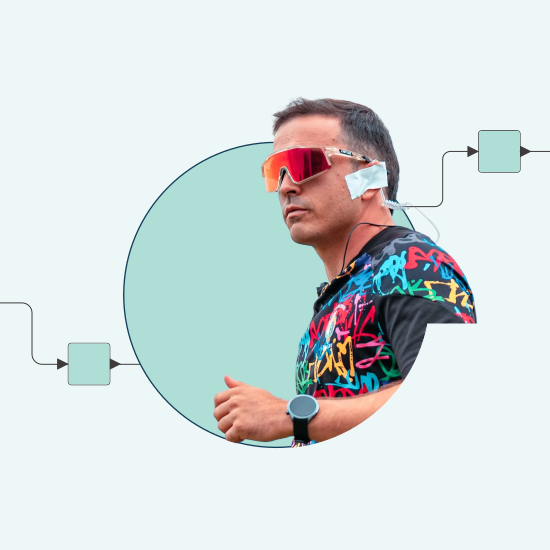
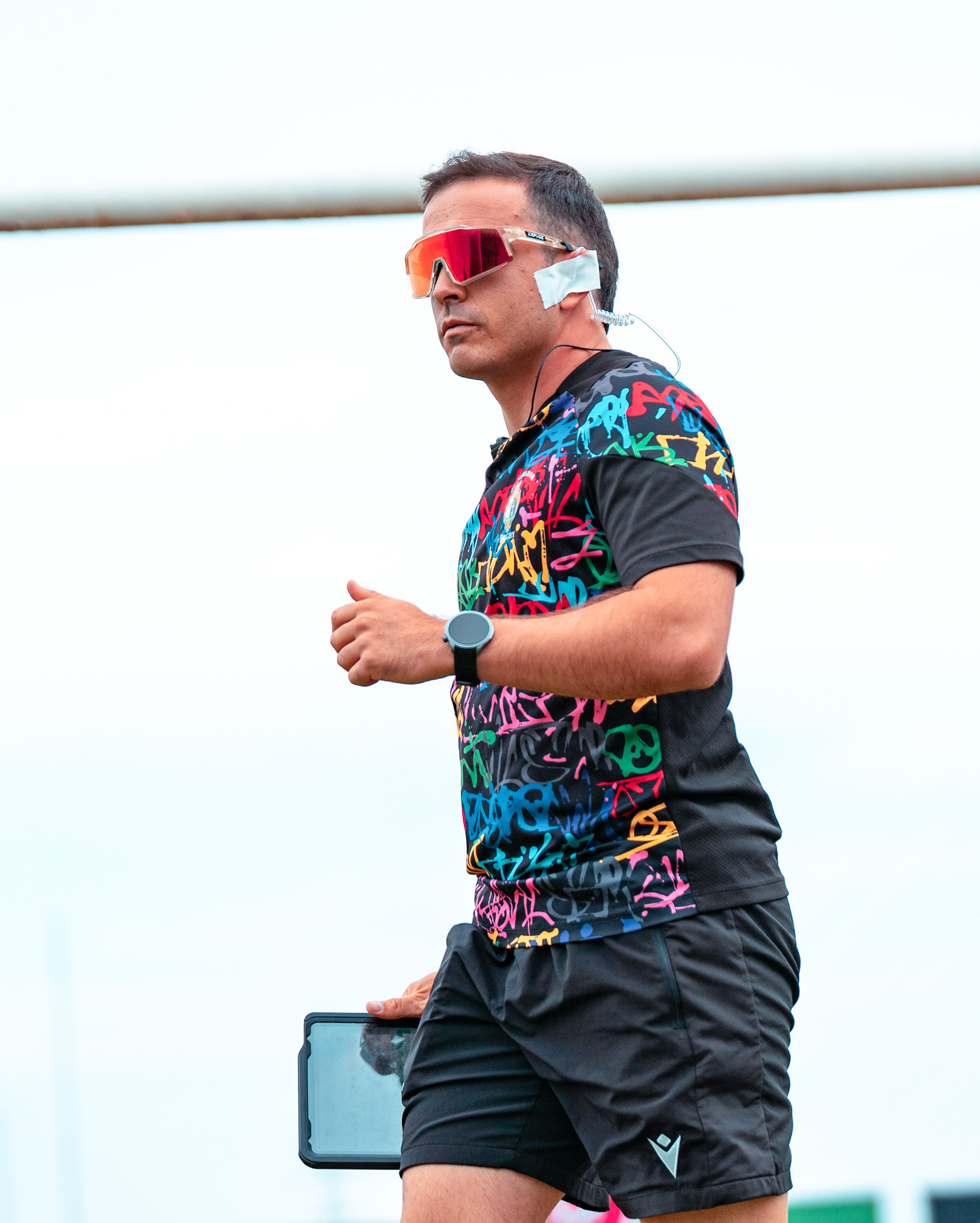
GPS units, spreadsheets, and sunglasses: Wherever Guillem “Moti” Furió Ferrer goes, his laptop goes, too. As a strength and conditioning coach at one of Spain’s top rugby clubs, data is part of his everyday toolkit, analyzing metrics such as:
- Player wellness metrics like sleep quality, fatigue and soreness
- GPS data from trainings and games, like percentage comparisons for worst-case scenarios or acceleration/velocity efforts
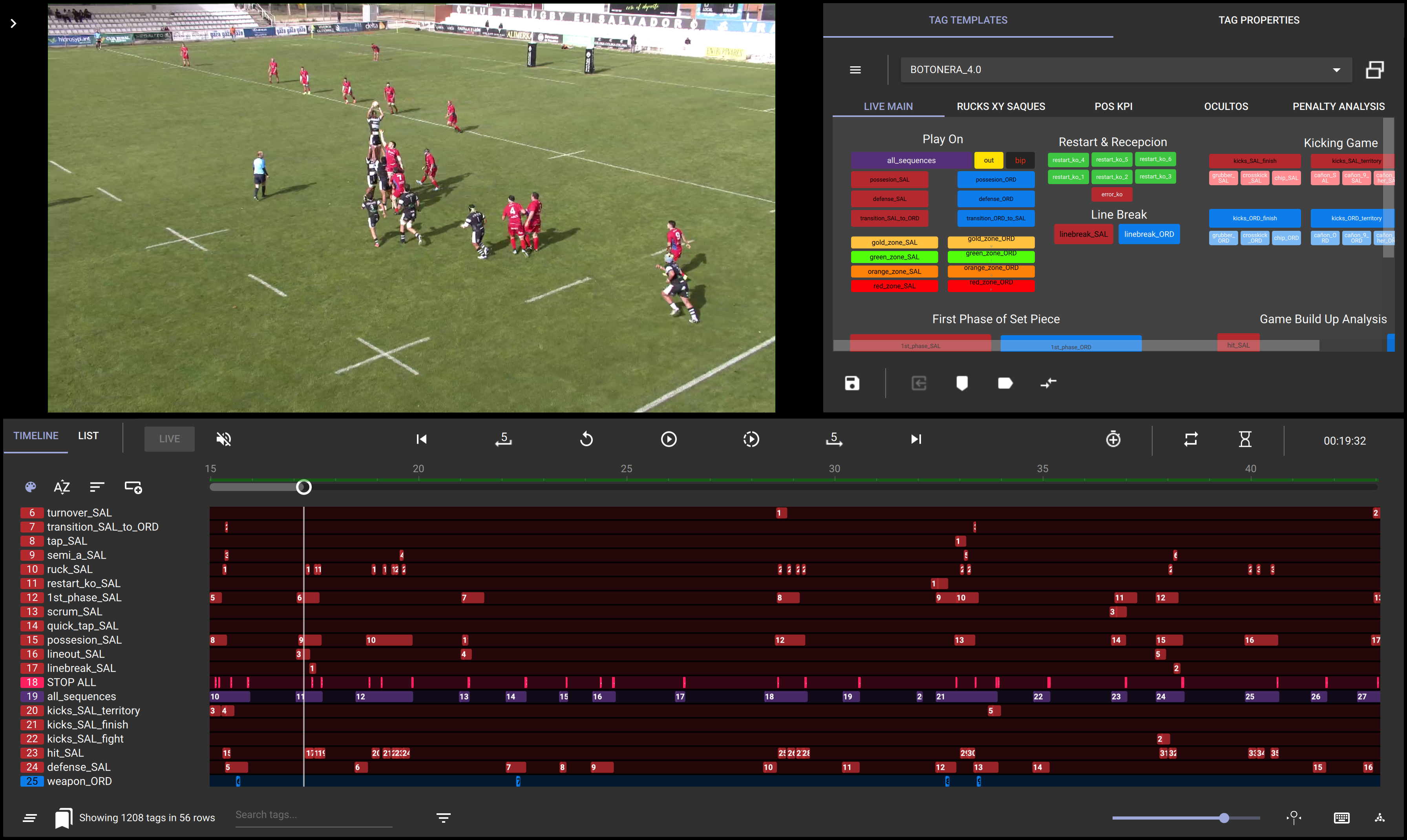
- Video data like ball-in-play time, possession time, game phases, etc.
His passion for analytics started when he began turning video footage into structured insights to help coaches understand performance more clearly. Since then, data has reshaped how he coaches, makes decisions, and thinks about the game.
Learn what sparked Moti’s curiosity to learn more about data and AI to improve performance in sports.
Hi Moti! Can you tell us a bit about yourself and what you do?
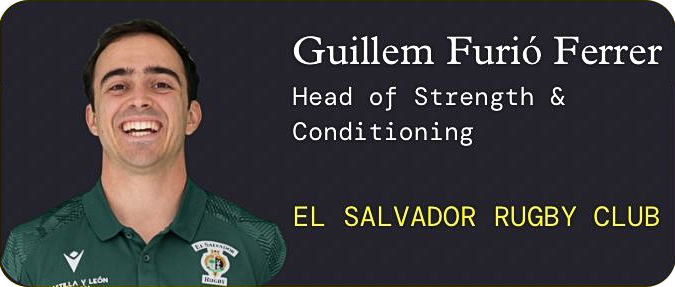
I’m currently the Head of Strength & Conditioning for the men’s senior team at Club de Rugby El Salvador, one of Spain’s top rugby clubs. My work combines gym and pitch programming, periodization, and video analysis to optimize performance across the season.
I’ve also been collaborating with both the men’s and women’s programs over the past two seasons, bridging coaching and applied sports science to keep everything aligned.
And yes — whether it’s GPS units, spreadsheets, or sunglasses — my laptop travels everywhere with me. Around here, we like to say we just try to keep the HYPE.
When did data and analytics first become part of your work in rugby?
My curiosity for data started in my third year of college, when I realized that many of the processes we were learning could be reproduced across other subjects and real coaching scenarios. Back then, it was mostly about building simple tools — some spreadsheets and basic Google Sheets — to make things more consistent and repeatable.
Looking back, those tools were quite basic compared to what I do now, but that early experimentation is what pushed me to explore more precise and automated solutions later in my career.
Was there a moment when analytics became more than just a curiosity, something that changed how you approached your role?
The turning point came when I saw an opportunity to do an internship with the Spanish Women’s Sevens team. I knew I wanted to work in that environment, so I started preparing by developing tools related to the role I could contribute to, in this case, video analysis, since strength and conditioning was already covered.
That’s when I began experimenting with ways to “translate” video timelines into structured data sheets, helping coaches see performance in a more analytical way. That experience made me realize how much impact analytics could have on decision-making in rugby.
How is analytics used in rugby today, and how do you apply it specifically in your work?
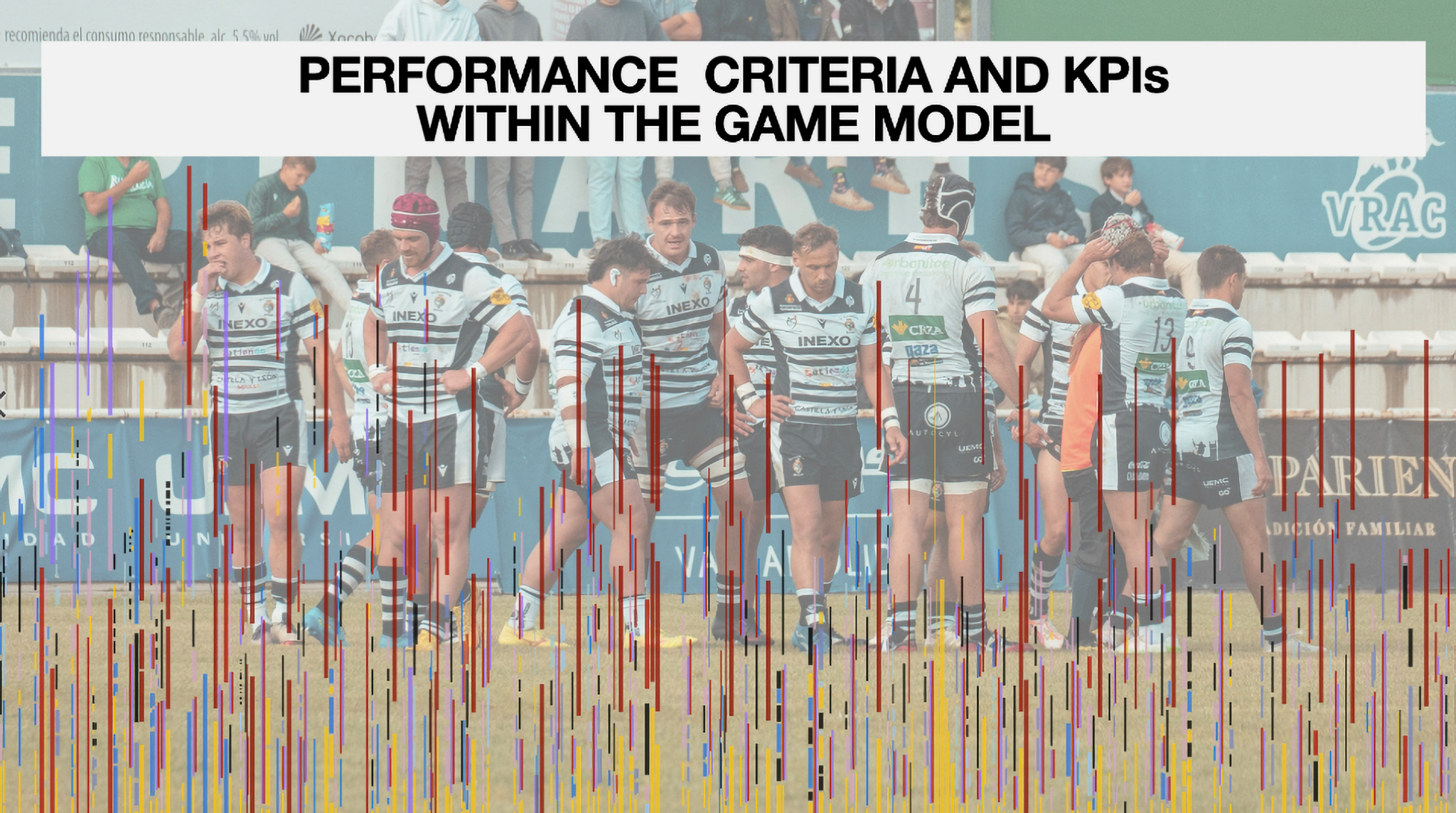
In rugby, analytics is most often used to describe what’s happening on the field — tracking external loads, analyzing video, and applying basic statistics. What excites me most is going beyond that description to ask questions and explore patterns that connect physical data with tactical behavior.
For example, we’ve mapped players’ movements within the kicking game and analyzed defensive pressure using GPS coordinates. That allows us to evaluate the quality of actions and standardize external-load data in relation to our specific game models.
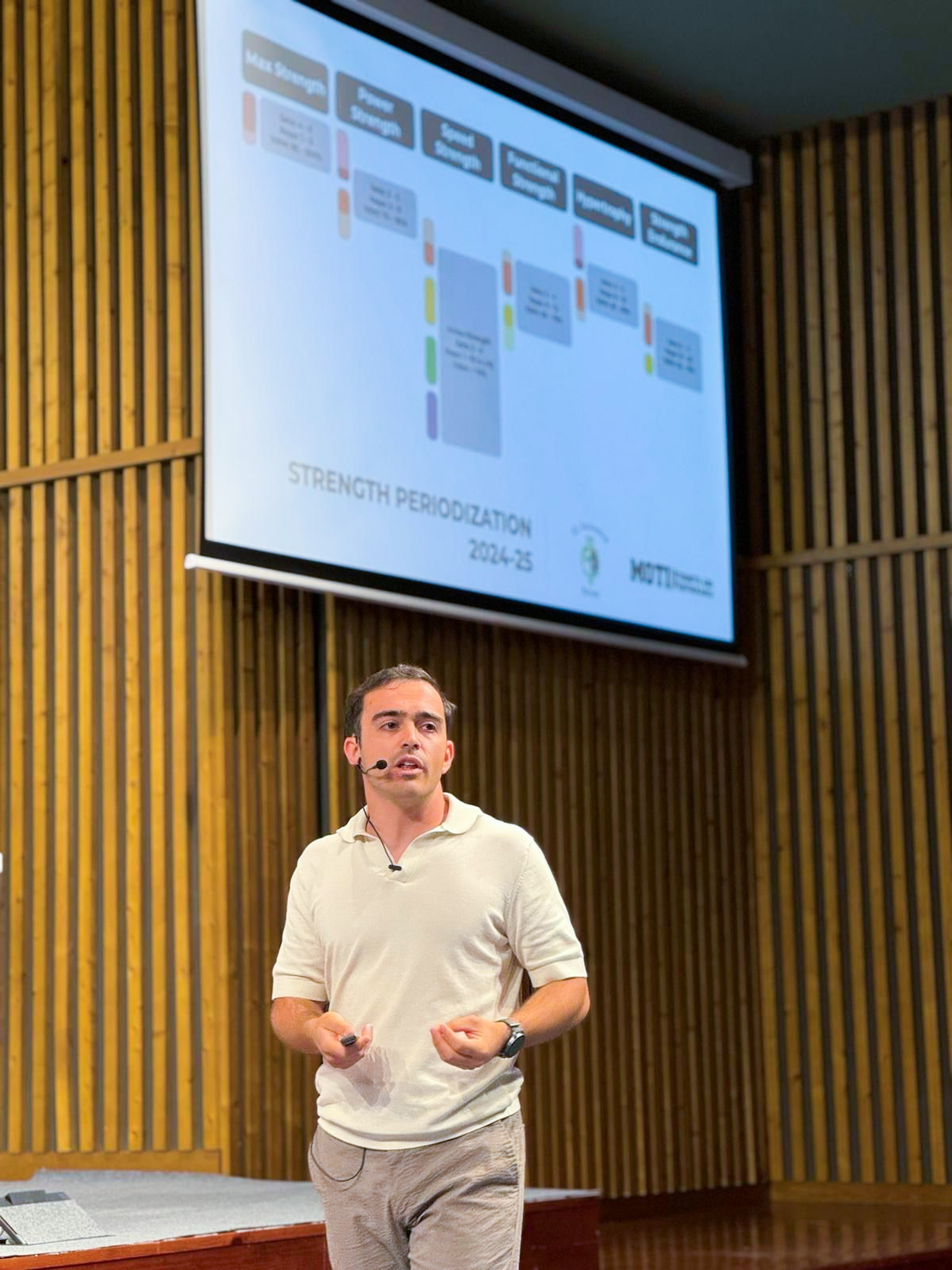
Has working with data changed the way you coach or think about performance?
Absolutely. It’s not just about developing technical analytics skills; it’s also about evolving how we think as a coaching staff. Programming and AI have helped us ask better questions and connect those questions to our databases and processes.
The biggest shift has been in workflow stability: By programming our analysis instead of relying on Excel or Google Sheets, we’ve built systems that are repeatable, traceable, and stable. That saves huge amounts of time and lets us focus more on interpreting data and improving performance, rather than repeating manual tasks.
How did you come across KNIME?
I found KNIME thanks to ChatGPT. No surprise these days! I was looking for a BI-style platform that could integrate programming with R or Python while also offering strong visualization options. I needed something that worked well on Mac, could be shared securely without publishing everything to the open web, and still felt practical for everyday use. And of course, open source.
I had tried building things before in Shiny and Streamlit, but I always found them too complicated for my background. I’m not a programmer, just a strength and conditioning coach who knows a bit about parallelization and workflow logic. KNIME gave me the same flexibility, but in a way that felt intuitive and achievable.
Is there a project or milestone using KNIME that you're especially proud of?
The biggest milestone for me has been integrating all the data we already had but couldn’t fully explore before. With KNIME, I’ve been able to connect our wellness data, GPS databases (via MySQL, R, and KNIME nodes), and even link them with ECharts visualizations. That integration alone has saved an incredible amount of time and allowed much deeper analysis.
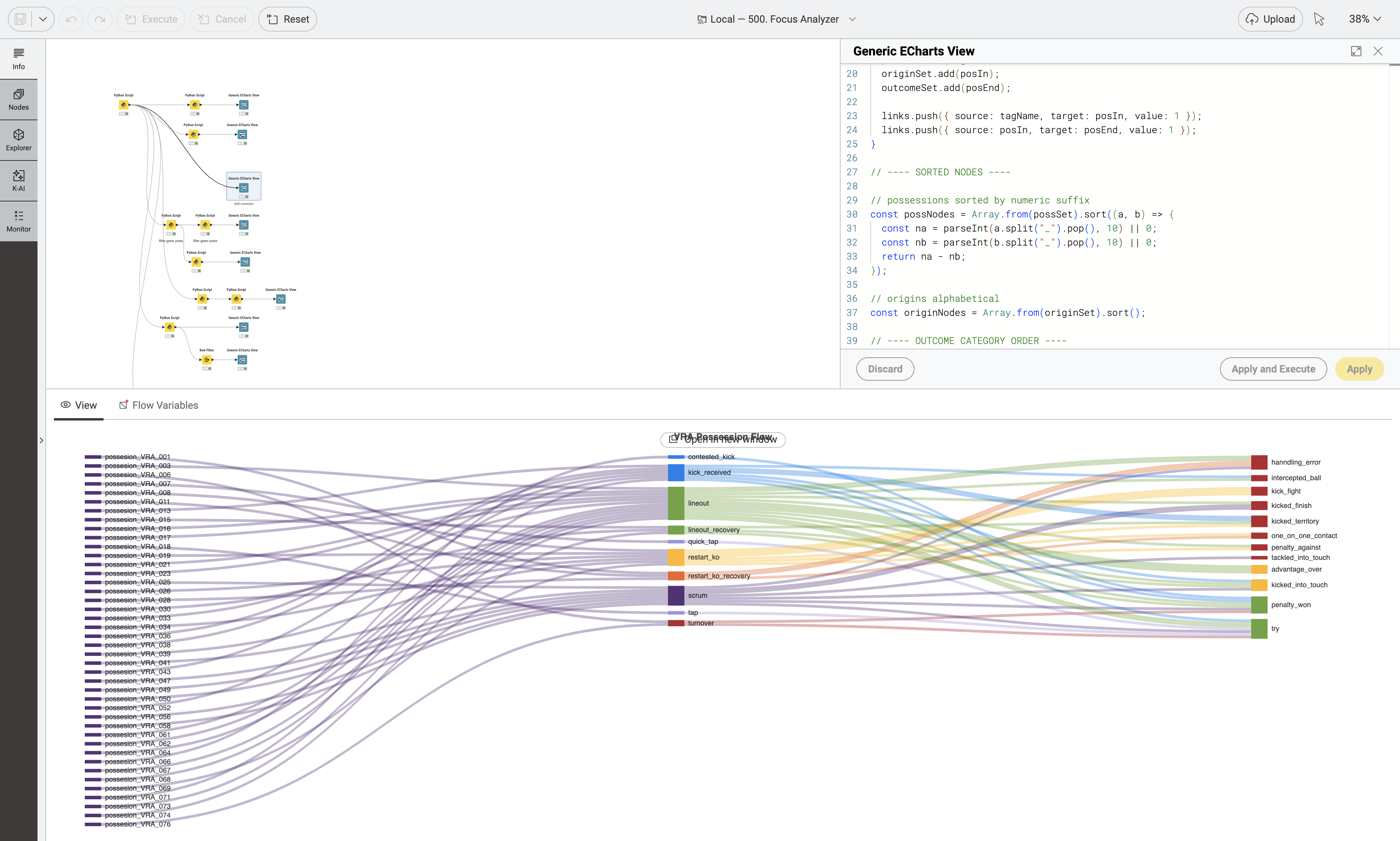
Honestly, the best achievement was just discovering KNIME. It has allowed me to build stable workflows that free up time to focus on coaching and improving as a professional, instead of spending hours manually analyzing data that can now be processed with a single click.
What’s next in your learning journey?
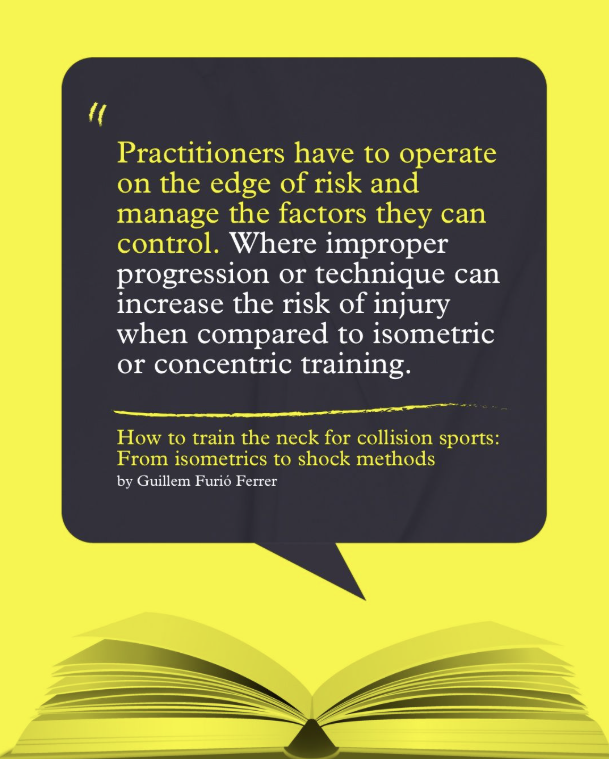
Looking ahead, my main focus is continuing my PhD and using KNIME as the core platform to develop the workflows I need for my research. In parallel, I’m also studying data from a neck-training investigation I’m running alongside my strength and conditioning work, and KNIME is already proving to be a powerful tool for that.
I’d also love to dive deeper into AI. I already use it in some aspects of my work, but I want to explore new ways to integrate it more effectively. Above all, my goal is to keep developing the soft skills that help adapt to this moment of rapid change — staying current and versatile rather than old-fashioned, as the field continues to evolve.
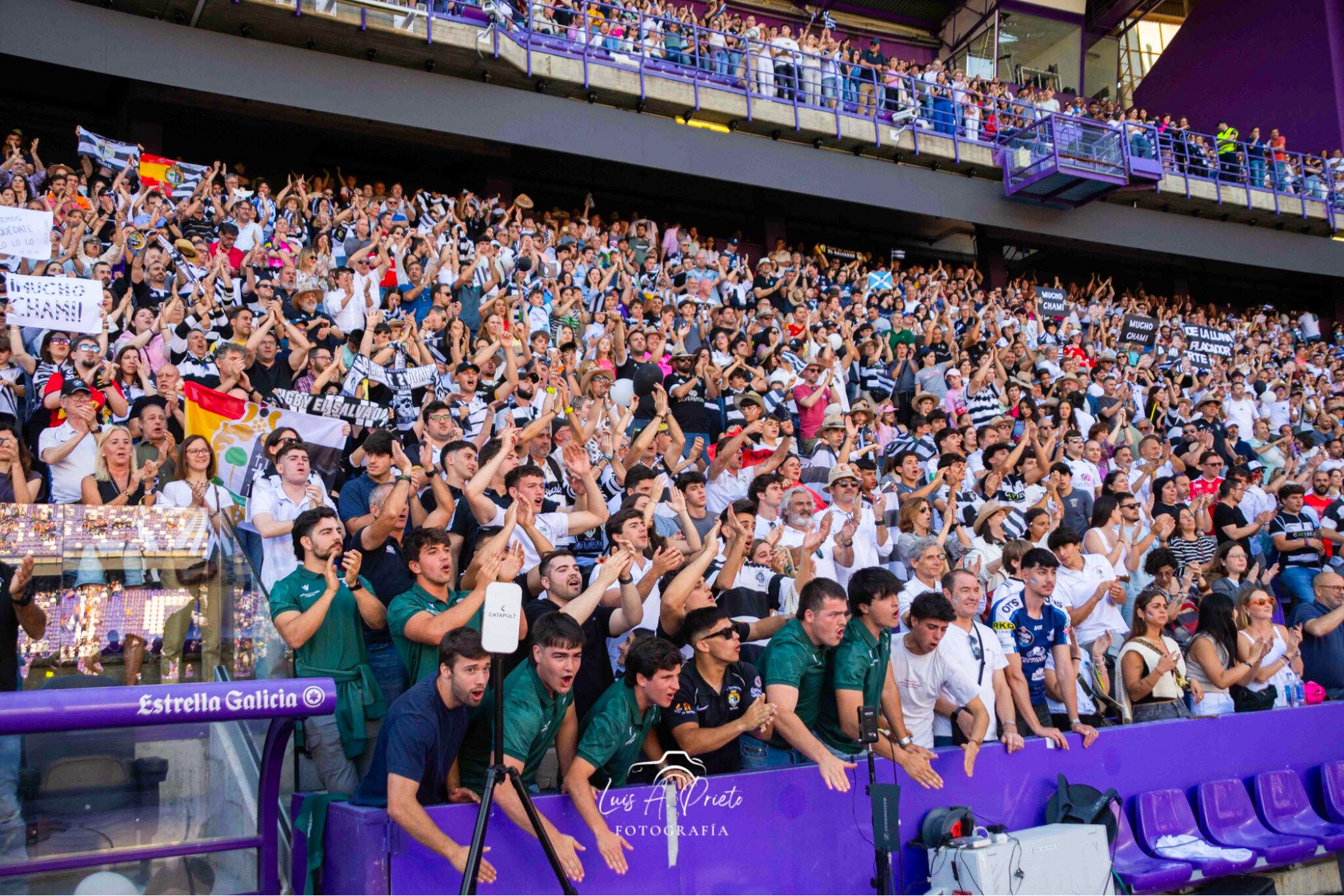
Thank you Moti and the best of luck to El Salvador Rugby Club for the coming season.
Tell Us Your Story
Moti’s journey shows how data science and AI can become an integral part of almost any profession, even those far from traditional tech fields. If you’ve taken an unexpected path into data or AI, we’d love to hear from you.
Share your story and inspire others exploring their next steps in data and analytics.